See prices From 118.3 EUR · Free cancellation available
Contents
A Rome to Amalfi Coast day trip by boat is possible, but I want to set honest expectations before you book anything: this is a genuinely long day, not a relaxed excursion, since you’re adding a 2.5 to 3-hour train ride each way on top of the boat tour itself. Here’s what I’d actually do: read through what the day really involves before committing, and seriously weigh an overnight stay against pushing through a single exhausting day.
I’ll walk through the realistic timeline, what fits and what doesn’t, and when I think the day trip stops making sense.
How Long Does It Actually Take to Get from Rome?
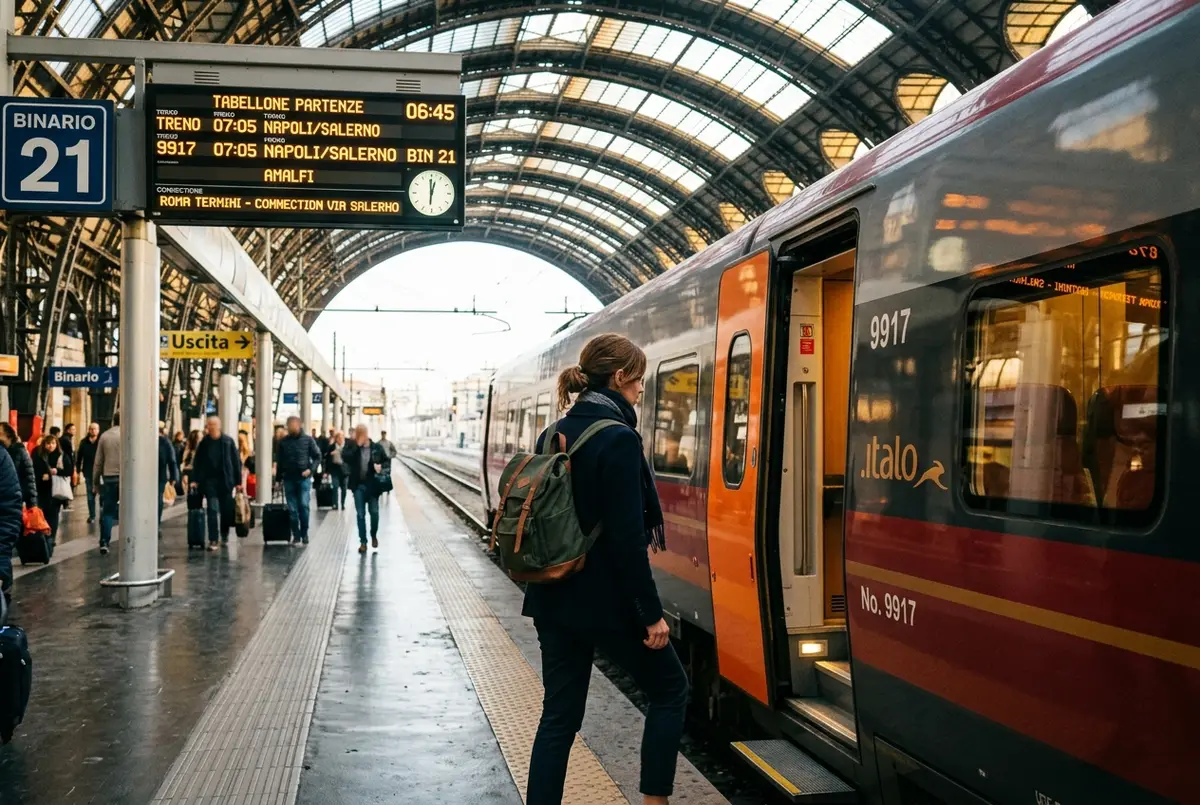
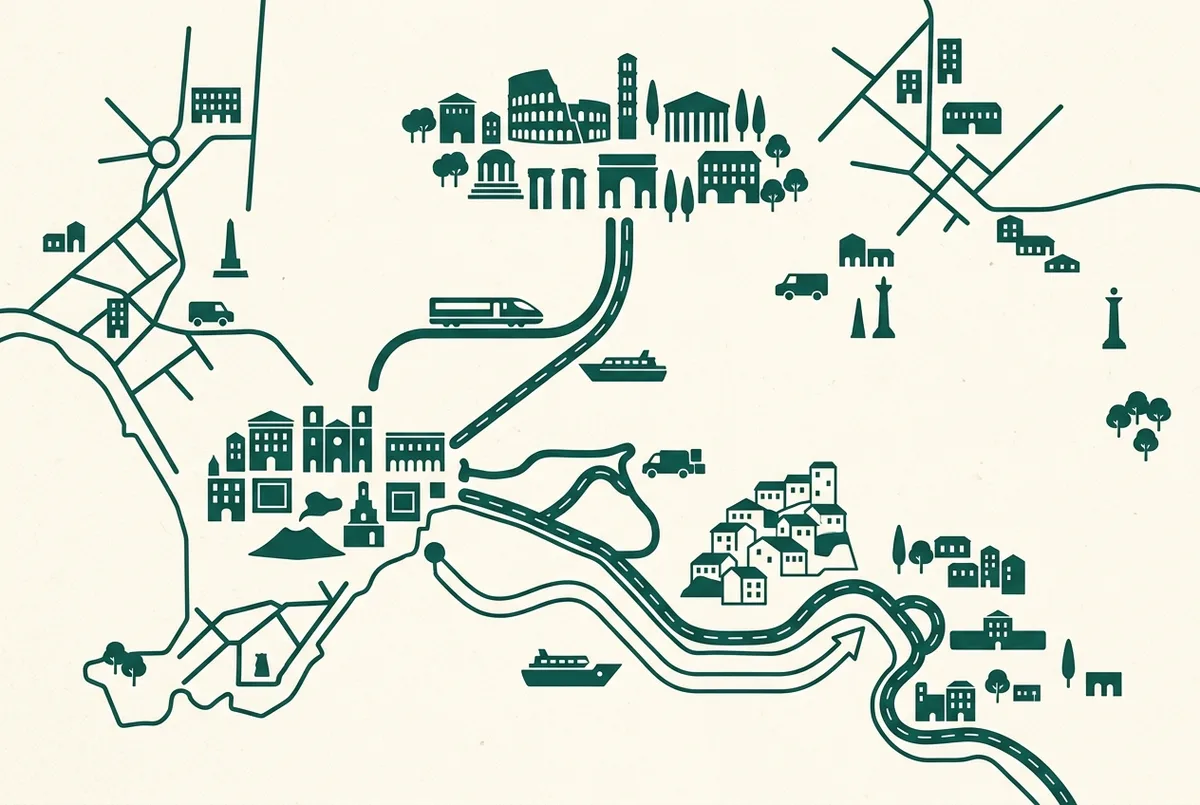
The fastest route runs a high-speed train from Roma Termini to Naples, around an hour and ten minutes, followed by a regional connection to Sorrento or Salerno, then the boat itself. All in, I’d budget 2.5 to 3 hours of train travel each way before you even board the boat, which means roughly 5 to 6 hours of your day spent purely in transit.
That’s before factoring in the boat tour itself, typically 7 to 8 hours for a full-day departure. Add it up and you’re looking at a 13 to 14 hour day door to door, which is genuinely long by any standard, not just a long travel day.
Check prices & dates
Ready to visit?
Book your tickets in advance: popular time slots sell out.
Is a Single Day Trip Realistic, or Should You Stay Overnight?
My honest opinion: if your Rome stay has any flexibility at all, I’d build in one night on the coast rather than attempting this round trip in a single day. An overnight stay turns a brutal, rushed itinerary into two comfortable ones, a relaxed arrival day and a proper boat day without a train looming over the afternoon.
If an overnight genuinely isn’t possible, a day trip can still work, but I’d go in with realistic expectations rather than hoping for a leisurely pace. You’ll be watching the clock more than you’d like on a trip meant to feel relaxing.
Who Should Actually Attempt the Single-Day Version?
I’d say this works best for travelers who are already comfortable with long, logistics-heavy days, solo travelers and couples especially, rather than families with young kids who tire out fast or anyone who gets anxious about tight train connections. If missing a return train would genuinely stress you out, that stress tends to bleed into the whole day rather than staying contained to the travel legs.
It also suits visitors whose Rome trip is short enough that an extra overnight elsewhere isn’t a realistic option, business travelers tacking on a weekend, for example, or anyone whose onward flight is fixed and close. For everyone else, I’d push back gently and ask whether one extra night is really off the table before committing to the long single-day version.
What Does a Single-Day Itinerary Actually Look Like?
A workable single-day plan starts with an early train out of Rome, ideally the first high-speed departure of the morning, landing in Naples with enough buffer to make a Sorrento or Salerno connection. From there, I’d book a boat tour with a known, fixed departure time rather than a flexible-port option, since you need the schedule locked in to plan your return train realistically.
Book your return train with a generous buffer after the boat tour ends, at least 90 minutes, since a delayed boat return or a slow connection at Naples can easily eat into a tight window. I would not book the last train of the evening back to Rome on this kind of day; give yourself room to fail safely.
I’d also pack light and plan for minimal stops. A small daypack with swimwear, sunscreen, a change of clothes and your travel documents covers it, since you won’t have time to drop a bag at a hotel along the way. Food is worth planning for too: grab something at Roma Termini before departure or during the Naples connection, since you don’t want your first proper meal of the day to be whatever’s left over once you’re back on the train home that evening.
Which Boat Tour Fits a Rome Day Trip Best?
I’d lean toward a Sorrento-based tour over a Salerno or Amalfi-town departure for this specific itinerary, mainly because Sorrento connects more directly to the Naples train line without an extra local transfer. My full Amalfi Coast boat tour from Sorrento guide covers what that tour actually includes, and my boat tour from Naples to the Amalfi Coast guide covers the Naples-to-Sorrento leg in more detail, which applies to your Rome trip too once you’ve reached Naples.
If a shorter boat commitment appeals more given how much of your day is already spoken for, my half-day versus full-day Amalfi Coast boat tour guide is worth reading before you book, since a half-day option genuinely makes more sense on a day this packed.
What Should You Budget for the Whole Day?
Beyond the boat tour price itself, factor in the high-speed rail fare from Rome to Naples, the regional connection onward, and a buffer for food during the long travel stretches. I’d book train tickets in advance rather than at the station, since advance fares on the high-speed line are noticeably cheaper than walk-up prices, and a sold-out early departure would unravel the whole plan.
All told, the train legs alone typically run less than the boat tour itself once you add both fares together, so the extra cost of doing this from Rome rather than from Sorrento or Naples directly is more about time than money. That’s worth knowing upfront, since the day trip’s real price is the hours it eats out of your Rome stay, not the euros on your train ticket.
What’s the Honest Alternative to a Single Day Trip?
If you can shift even one night of your Rome stay, I’d split the trip: travel down in the afternoon or evening, stay overnight in Sorrento or Naples, do the boat tour the next morning fresh, then either return to Rome that evening or continue your trip from the coast. For a wider look at how a boat day fits into total trip costs and planning, my Amalfi Coast trip cost and planning guide covers budgeting and logistics beyond just this one day.
If your itinerary has any give in it at all, I’d take the overnight option without a second thought. A single 13-to-14-hour day, however well planned, leaves little room for anything going wrong, and Italian regional trains do occasionally run late. If an overnight truly isn’t on the table, book an early train, a fixed-departure boat tour rather than a flexible one, and a generous buffer on your return leg, and treat the day as an achievement rather than a relaxing outing.
Either way, I wouldn’t book this kind of day trip on short notice. Lock in your train times and your boat tour together, well ahead, so the whole plan holds up on the day, and tell at least one travel companion the backup plan in case a connection runs late.
Frequently Asked Questions
Can you really do Rome to the Amalfi Coast and back in one day?
Yes, but it’s a long day, roughly 13 to 14 hours including travel and the boat tour itself. I’d only attempt it with an early start and a fixed-departure tour.
Is it faster to drive from Rome than take the train?
Not really, and parking near the coast is limited and expensive. The train to Naples, then a regional connection, is the more reliable option for this specific trip.
Should I book the boat tour and train separately or together?
Separately is fine, but I’d book both well in advance and leave a generous buffer between your train arrival and the boat’s departure time.
What happens if my train is delayed and I miss the boat?
Most operators on this coast don’t hold a departure for a late arrival, so I’d build in at least an hour of buffer at the Naples or Sorrento end to protect against this, and I’d always travel with the operator’s contact details saved on my phone just in case.
Is an overnight stay really worth it over a single day trip?
In my honest opinion, yes, almost always. It turns a genuinely exhausting day into two relaxed ones and removes the constant clock-watching that a single-day trip demands.
Do I need to speak Italian to manage the train connections?
No. Major stations like Roma Termini and Napoli Centrale have English signage and ticket machines, and announcements are typically made in both languages on the high-speed services.